Winter Aircraft Maintenance:Why do aircraft require special maintenance procedures in winter?
Q: Why do aircraft require special maintenance procedures in winter?
A: Winter aircraft maintenance is critical because cold temperatures, snow, ice, and frost create unique hazards. Ice on wings can disrupt airflow, reducing lift by up to 30 percent and increasing drag, while frozen pitot tubes or fuel lines can cause instrument errors or engine failure. De-icing and anti-icing fluids are applied before flight to remove and prevent contamination. Additionally, hydraulic fluids and lubricants thicken in extreme cold, requiring specific winter-grade replacements. Maintenance teams must also inspect for snow ingestion in engines, check battery capacity, which drops in cold, and ensure heated probes and sensors function properly to guarantee safe operations.
Q: What are common de-icing and anti-icing methods used in winter aircraft maintenance?
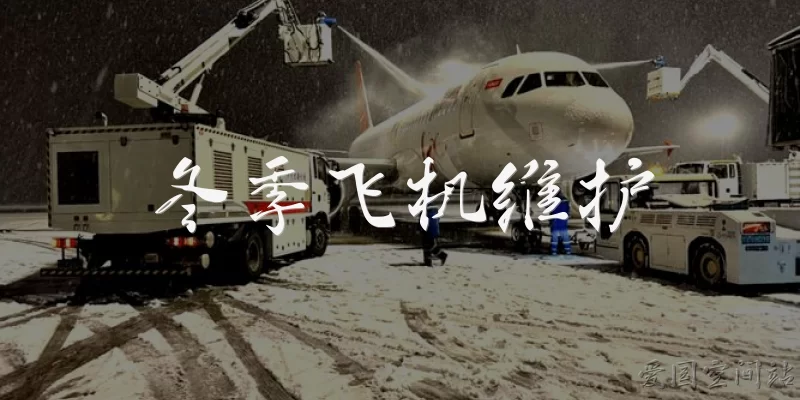
A: Common de-icing methods include spraying heated Type I fluid, which is a glycol-water mixture, to remove frost, snow, and ice from critical surfaces like wings and tail. After de-icing, Type IV anti-icing fluid is applied to prevent ice from reforming, as it has a longer holdover time. For smaller aircraft, manual brushing or infrared heating may be used. Some aircraft have built-in bleed air systems that heat leading edges of wings, engine inlets, and pitot tubes. Maintenance crews must follow holdover time tables based on temperature and precipitation to ensure fluids remain effective until takeoff.
Q: How does cold weather affect aircraft batteries and what maintenance is needed?
A: Cold weather significantly reduces battery capacity and cranking power. A lead-acid battery can lose up to 50 percent of its capacity at minus 20 degrees Celsius, while lithium-ion batteries may suffer from reduced charge acceptance. Winter maintenance includes testing battery voltage and specific gravity, ensuring terminals are clean and corrosion-free, and verifying the charging system output. Batteries should be kept warm or removed and stored in heated areas when possible. For aircraft parked outside, preheating the battery compartment or using external power carts during starts helps prevent failure and extends battery life.
Q: What pre-flight inspections are essential for winter aircraft operations?
A: Essential winter pre-flight inspections focus on ice, snow, and frost contamination. Pilots must check all critical surfaces: wings, tail, flaps, ailerons, and stabilizers. Even a thin layer of frost can disrupt airflow. Inspect pitot tubes, static ports, and angle-of-attack sensors for blockage. Check fuel sumps for water and ice, as condensation can freeze. Verify engine inlets are free of snow or ice. Look at tires for flat spots from frozen brakes and ensure landing gear is not frozen. Also confirm de-icing fluid holdover time has not expired. Any contamination must be removed before takeoff.
Q: How can maintenance crews prevent fuel system icing in winter?
A: Fuel system icing is prevented by using fuel additives like Prist or diethylene glycol monomethyl ether, which lower the freezing point of water contaminants. Crews sump fuel tanks before every flight to remove water that may condense and freeze. Fuel heaters or heat exchangers on some aircraft warm the fuel to prevent ice crystal formation. Maintenance includes inspecting fuel filters for ice blockage, checking fuel lines for insulation integrity, and ensuring tank vents are clear. In extreme cold, crews may use heated fuel trucks or blend fuel with anti-icing additives to maintain safe flow to the engines.
Dialogue about
Common scenarios of "Winter Aircraft Maintenance"
【Maintenance Supervisor】 Good morning, team. As you know, winter is approaching, and we need to ensure our aircraft are ready for cold weather operations. Let's review the key maintenance tasks for winter.
【Lead Technician】 Morning. I've already started the de-icing system checks. We need to verify the fluid levels and ensure the heaters are functioning properly.
【Avionics Specialist】 I'll check the pitot heat and static ports. Ice buildup there can cause serious instrument errors.
【Maintenance Supervisor】 Good. Also, we need to inspect the aircraft's anti-icing and de-icing equipment. Make sure the boots are in good condition and the timer systems are working.
【Lead Technician】 I'll coordinate with the ground crew to ensure the de-icing trucks are operational and stocked with Type I and Type IV fluids.
【Avionics Specialist】 I'll also test the ice detector systems and ensure they're calibrated. And check the cabin heating systems.
【Maintenance Supervisor】 Don't forget the engines. Cold starts can be tough. We need to check the engine anti-ice valves and ensure they're not sticking.
【Lead Technician】 I'll add that to the checklist. Also, we should verify the oil levels and use the correct grade of oil for winter operations.
【Avionics Specialist】 And the batteries. Cold weather reduces battery capacity. I'll test them and replace any that are weak.
【Maintenance Supervisor】 Good catch. Also, inspect the landing gear and brakes for any ice buildup. And ensure the tires are properly inflated.
【Lead Technician】 I'll have the team check the landing gear retraction systems and lubricate them with cold-weather grease.
【Avionics Specialist】 I'll also check the exterior lights and ensure they're not compromised by snow or ice.
【Maintenance Supervisor】 We should also review the aircraft's limitations for cold weather operations. Make sure the flight crew is aware of any changes.
【Lead Technician】 I'll print out the cold weather procedures and place them in the cockpit.
【Avionics Specialist】 I'll test the ELT and ensure it's functioning. In case of an emergency, we need it to work in cold conditions.
【Maintenance Supervisor】 Alright. Let's also remember to check the fuel system for water contamination. Use the sump drains and check for any ice crystals.
【Lead Technician】 I'll assign that to the fuel team. They'll drain the sumps and check the fuel filters.
【Avionics Specialist】 I'll also check the avionics bay heaters to ensure they're working. Cold can affect sensitive electronics.
【Maintenance Supervisor】 Great. We have a lot to do. Let's prioritize based on the flight schedule. Any aircraft departing within 24 hours gets top priority.
【Lead Technician】 Understood. I'll create a task list and assign teams accordingly. We'll have everything done by end of day.