Zhonglan Aviation in Zhenfeng Project:What is the Zhonglan Aviation project in Zhenfeng, and what are its main objectives?
Q: What is the Zhonglan Aviation project in Zhenfeng, and what are its main objectives?
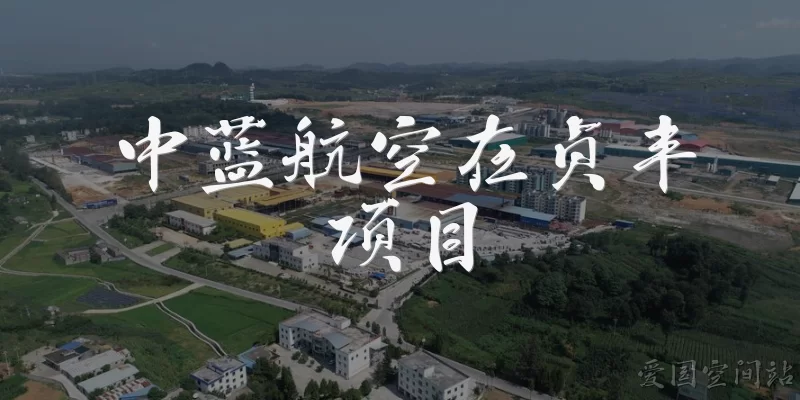
A: The Zhonglan Aviation project in Zhenfeng is a strategic aviation industry initiative located in Zhenfeng County, Guizhou Province, China. It focuses on developing general aviation infrastructure and related services to boost regional connectivity and economic growth. The project typically includes constructing a general aviation airport, setting up flight training facilities, and creating maintenance, repair, and overhaul (MRO) capabilities. Its main objectives are to improve transportation access in mountainous southwestern China, support emergency rescue and agricultural aviation operations, and attract aviation-related businesses to the area. By integrating general aviation with local tourism and logistics, the project aims to diversify Zhenfeng's economy beyond traditional agriculture. Additionally, it seeks to train local talent in aviation skills, generating employment opportunities. As part of China's broader push to expand general aviation nationwide, the Zhenfeng project is designed to serve as a regional hub, connecting smaller cities and rural areas. The initiative also supports government goals for poverty alleviation through infrastructure investment and industrial development, making it a key component of Guizhou's modern transportation network.
Q: How does the Zhonglan Aviation project in Zhenfeng contribute to local economic development?
A: The Zhonglan Aviation project in Zhenfeng contributes to local economic development through multiple channels. First, construction and operation of aviation facilities create direct jobs in engineering, administration, and aviation services, boosting household incomes. Second, the airport improves accessibility, making Zhenfeng more attractive to tourists exploring Guizhou's karst landscapes and ethnic minority cultures. Increased tourism stimulates growth in hospitality, retail, and transportation sectors. Third, the project supports agricultural aviation, such as crop spraying and forestry protection, which enhances productivity in surrounding rural areas. Fourth, by offering flight training and technical education, it builds a skilled workforce that can retain talent locally or attract aviation companies. Fifth, the improved logistics infrastructure helps local businesses, like tea and fruit producers, reach wider markets faster. Finally, the project can catalyze the development of an aviation industrial park, drawing investment in aircraft maintenance, parts manufacturing, and related services. Overall, it acts as an economic multiplier, transforming Zhenfeng from a relatively isolated county into a connected node in Guizhou's aviation network, thereby supporting sustained regional growth.
Q: What challenges and future prospects are associated with the Zhonglan Aviation project in Zhenfeng?
A: The Zhonglan Aviation project in Zhenfeng faces several challenges. Geographically, the mountainous terrain requires complex and costly construction, while unpredictable weather can affect flight operations. Infrastructure linkages, such as roads connecting the airport to nearby towns, may need further investment. Additionally, attracting sufficient air traffic and aviation businesses in a less-developed region can be difficult, raising concerns about financial sustainability. Environmental impacts, including noise and land use changes, require careful management. Regulatory approvals and coordination among multiple government levels also add complexity. On the positive side, future prospects are promising. Growing demand for general aviation in China, driven by tourism, emergency services, and pilot training, offers a ready market. Government policies supporting western development and rural revitalization provide funding and political backing. As the project matures, it could expand into drone operations, aviation logistics, and MRO services, creating a cluster effect. Partnerships with airlines or flight schools could enhance utilization. If managed well, the Zhenfeng project can become a model for sustainable general aviation in mountainous areas, improving lives and connecting communities.
Words of experience
Common scenarios of "Zhonglan Aviation in Zhenfeng Project"
【项目经理张涛】 各位,今天把大家叫来,主要是确认一下咱们中兰航空在贞丰项目的整体推进情况。这个项目从去年立项到现在,已经进入关键实施阶段了,我需要了解一下各个板块的最新进展。
【技术总监李峰】 张总,我先说一下技术这边。贞丰项目采用的无人机巡检系统已经完成了两轮实地测试,飞行稳定性比上一代提升了大概30%。不过贞丰那边的地形比较复杂,喀斯特地貌对信号传输有一定干扰,我们正在优化中继方案。
【运营主管王敏】 我补充一下运营侧的情况。目前我们在贞丰已经建立了三个地面服务站,覆盖了主要作业区域。人员方面,本地招聘的12名飞手已经完成基础培训,但高级操作资质还需要再经过两个月的实操考核。
【财务负责人陈静】 从财务角度看,贞丰项目目前累计投入已经达到预算的百分之六十五,整体还在可控范围内。但我要提醒一点,如果信号中继方案需要增加设备采购,可能会产生一笔额外支出,需要提前报批。
【项目经理张涛】 李峰,中继方案的额外预算大概多少?能不能在现有框架内消化?
【技术总监李峰】 初步估算需要增加八十万左右,主要是采购新型中继设备和架设费用。如果压缩一下测试周期,可能能控制在六十万。但我个人不建议压缩测试,贞丰的地形特殊,安全第一。
【运营主管王敏】 我同意李峰的意见。贞丰那边雨季马上要来了,如果测试不充分,到时候飞行事故的风险会很高。我们跟当地政府签的协议里,安全指标是一票否决项。
【财务负责人陈静】 那这样,我建议做两套预算方案,一套是完整的中继方案,一套是分阶段实施方案。分阶段的可以先覆盖核心作业区,后续再扩展,这样资金压力会小一些。
【项目经理张涛】 好,陈静你来牵头做这两套方案,本周五之前给我。李峰,你配合提供技术参数和优先级建议。王敏,你把贞丰雨季的作业窗口期也整理一下,我们一起评估。
【技术总监李峰】 没问题。另外我想提一点,中兰航空总部那边最近在推新的飞控系统,如果我们贞丰项目能同步试点,后续的维护成本会降低不少。但需要跟总部协调版本适配。
【运营主管王敏】 这个我赞成,但新系统意味着飞手要重新培训。贞丰本地团队的基础参差不齐,培训周期可能要拉长。
【项目经理张涛】 新系统的事情先不急,等中继方案定了再说。我们现在最重要的是保证贞丰项目按节点交付,不能因为技术升级影响整体进度。
【财务负责人陈静】 说到交付节点,张总,我需要提醒一下,贞丰项目的第二笔政府补贴要等到中期验收通过才能到账。如果验收延期,我们的现金流会有压力。
【项目经理张涛】 中期验收是什么时候?
【运营主管王敏】 原计划是下个月中旬,但如果中继方案调整,验收内容可能要重新报备,时间上可能会往后推两周左右。
【技术总监李峰】 两周的话,技术上可以接受。我建议我们主动跟贞丰县主管部门沟通,把中继优化作为项目亮点来汇报,这样反而可能加快审批。
【项目经理张涛】 这个思路好。王敏,你负责对接贞丰那边的政府关系,把我们的优化方案包装一下,强调安全性和长期服务能力。陈静,你准备好现金流预案,万一验收延期,我们要有备用资金渠道。
【财务负责人陈静】 明白,我这边跟银行那边也有沟通渠道,实在不行可以申请短期授信。但最好还是不要走到那一步。
【运营主管王敏】 对了张总,还有一件事。贞丰当地有几家农业合作社想跟我们合作,用无人机做农药喷洒。这可能是项目之外的额外收入来源,但需要总部批准业务范围扩展。
【项目经理张涛】 这个先记录在案,等贞丰主体项目稳定运行之后再说。我们不能贪多嚼不烂。今天的会就到这里,各位按分工推进,下周三我们再碰一次进度。散会。