Airport Airline Cargo Terminal:What is an airport airline cargo terminal and what role does it play in air freight operations?
Q: What is an airport airline cargo terminal and what role does it play in air freight operations?
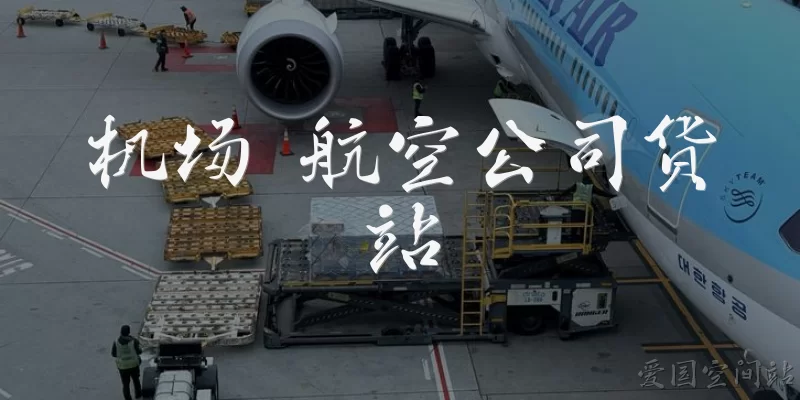
A: An airport airline cargo terminal is a specialized facility within an airport dedicated to handling freight and mail transported by aircraft. It serves as the central hub where cargo is received, screened, sorted, stored, and loaded onto or unloaded from aircraft. These terminals are typically operated by airlines, ground handlers, or independent cargo companies and are equipped with pallet handling systems, cold storage, customs inspection areas, and security screening equipment. They play a critical role in ensuring efficient transfer of goods between trucks and planes, maintaining cargo integrity, and complying with regulatory requirements for international and domestic air freight.
Q: What are the key differences between an airport airline cargo terminal and a passenger terminal?
A: An airport airline cargo terminal differs significantly from a passenger terminal in purpose, layout, and operations. Cargo terminals focus on freight movement, featuring large warehouse spaces, truck docks, pallet buildup and breakdown areas, and specialized equipment like forklifts and conveyor systems. They lack passenger amenities such as check-in counters, gates, and baggage claim belts. Security is oriented toward cargo screening rather than passenger screening. Operating hours often extend 24/7 to match freighter schedules. Additionally, cargo terminals handle documentation like air waybills and customs declarations, whereas passenger terminals manage tickets and boarding passes.
Q: How does an airline cargo terminal at an airport handle security and customs clearance?
A: Airline cargo terminals implement strict security and customs procedures. All cargo is screened using X-ray machines, explosive detection systems, or physical inspection to prevent prohibited items. Regulated agents and known shippers help expedite this process. For international shipments, the terminal includes a customs bonded area where goods await clearance. Customs officials inspect documentation, collect duties, and release cargo. The terminal operator coordinates with customs brokers and government agencies. Electronic data interchange systems transmit manifests in advance. These measures ensure compliance with aviation security regulations and international trade laws, balancing speed with safety and legal requirements.
Q: What types of cargo are typically handled at an airport airline cargo terminal?
A: Airport airline cargo terminals handle a diverse range of freight. General cargo includes manufactured goods, electronics, apparel, and machinery. Perishables such as fresh seafood, flowers, fruits, and pharmaceuticals require temperature-controlled storage. Valuable items like gold, artwork, and sensitive electronics need secure vaults. Dangerous goods, including lithium batteries and chemicals, are handled under strict regulations. Live animals have specialized holding areas. Mail and express parcels are also common. Additionally, oversized or heavy cargo like aircraft engines and industrial equipment may be processed using heavy-lift equipment. The terminal's design and equipment support these varied cargo types efficiently.
Q: What is the future outlook for airport airline cargo terminals in terms of technology and sustainability?
A: The future of airport airline cargo terminals is shaped by digitalization and sustainability. Automation is increasing with robotic palletizers, autonomous vehicles, and AI-driven sorting systems to boost efficiency and reduce errors. Internet of Things sensors track cargo conditions in real time. Blockchain enhances documentation transparency. Sustainability efforts include solar panels, electric ground support equipment, and energy-efficient lighting. Terminals are also adopting paperless operations and optimizing layouts to reduce turnaround times. Additionally, cold chain capabilities are expanding to support growing pharmaceutical and e-commerce demand. These trends aim to create faster, greener, and more resilient air cargo hubs.
Words of experience
Common scenarios of "Airport Airline Cargo Terminal"
【Cargo Operations Manager】 Good morning, team. Our priority today is clearing the backlog from yesterday's delayed freighter. We have 12 pallets of electronics and 8 pallets of perishables. Let's start with the perishables.
【Ramp Supervisor】 Morning. The perishables are in cold storage at Bay 7. We have two ULDs ready for the first outbound truck at 10 AM. But I need confirmation on the customs release for the electronics.
【Customs Broker】 I'm on it. The electronics have a hold for a random inspection. I've submitted the docs and we should have a release by 11 AM. Perishables are cleared and good to go.
【Cargo Handler】 I can start moving the perishables to the staging area now. Do we have the special handling tags for the fragile items in the electronics?
【Cargo Operations Manager】 Yes, the tags are at the supervisor's desk. Make sure to use them. Also, prioritize the perishables for the 10 AM truck—that's a tight connection to the evening flight.
【Ramp Supervisor】 Copy that. I'll assign two handlers to the perishables and one to prep the electronics once customs clears. What about the second truck at 2 PM?
【Customs Broker】 The 2 PM truck is for the electronics. If we get the release by 11, we can load by 1 PM. I'll monitor the inspection and update you.
【Cargo Handler】 Understood. I'll grab the tags and head to Bay 7. Should I also check the temperature logs for the perishables?
【Cargo Operations Manager】 Yes, absolutely. We need to ensure the cold chain wasn't broken during the delay. If there's any issue, flag it immediately.
【Ramp Supervisor】 I'll pull the logs now. Last reading was at 6 AM, all within range. I'll do another check before loading.
【Customs Broker】 Update: The inspection is starting. They're focusing on three pallets. I'll be there to expedite.
【Cargo Handler】 Perishables are loaded onto the first truck. Temperature logs look good. We're ahead of schedule.
【Cargo Operations Manager】 Great work. Now, let's focus on the electronics. Once customs clears, we need to build the ULDs efficiently. Any space constraints?
【Ramp Supervisor】 We have two positions open on the 2 PM truck. But the electronics are heavy—we might need to adjust the load plan for weight distribution.
【Cargo Operations Manager】 Good point. Coordinate with the loadmaster to adjust. Safety first.
【Customs Broker】 Inspection complete. All clear. Release documents are being stamped now. You can start moving the electronics.
【Cargo Handler】 Moving electronics to staging. I'll need a forklift for the heavier pallets. Can someone bring one over?
【Ramp Supervisor】 Forklift is on the way. I'll help with the ULD build. Let's target 1 PM for loading.
【Cargo Operations Manager】 Perfect. Keep me posted on the progress. If we finish early, we can assist with the next shift's inbound.
【Customs Broker】 All documents are finalized. Electronics are cleared for export. Good luck with the loading.