Wenchuan earthquake crashed plane:What happened to the military helicopter that crashed during the Wenchuan earthquake relief efforts?
Q: What happened to the military helicopter that crashed during the Wenchuan earthquake relief efforts?
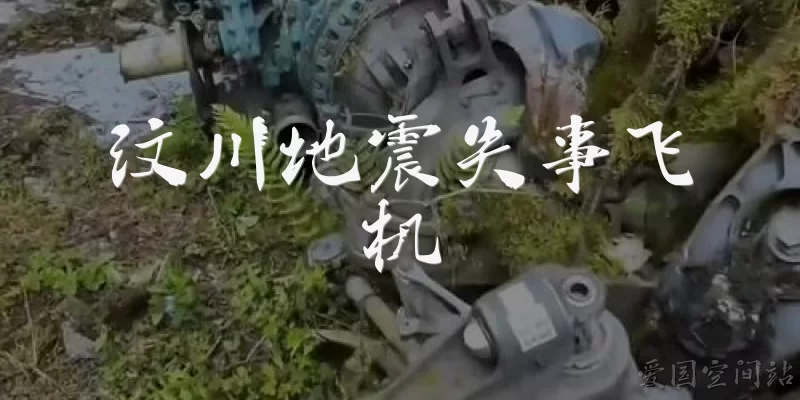
A: On May 31, 2008, a Chinese military transport helicopter, a Mi-171, crashed in the mountainous terrain of Wenchuan County while on a relief mission after the devastating earthquake. The aircraft was carrying 14 people, including crew and medical personnel. Contact was lost due to thick fog and strong winds. Wreckage was found days later on a steep slope, with no survivors. The crash highlighted the extreme dangers faced by rescue teams operating in the quake zone's rugged landscape and poor weather conditions.
Q: Why did the plane crash during the Wenchuan earthquake rescue operations?
A: The crash of the military helicopter during Wenchuan earthquake rescue was primarily caused by severe weather and difficult terrain. Dense fog, low clouds, and heavy rain drastically reduced visibility in the mountainous region. Strong turbulence and unpredictable wind gusts near steep valleys made control difficult. The pilot likely encountered a sudden downdraft or spatial disorientation while navigating narrow passes. The area's high altitude and lack of reliable navigation aids further compounded the risk. These factors combined to make low-altitude flying extremely hazardous, leading to the tragic accident.
Q: How did the Wenchuan earthquake affect aviation and rescue flights?
A: The Wenchuan earthquake severely disrupted aviation and rescue flights. The quake destroyed roads and communication lines, making helicopters the only viable way to reach many isolated towns. However, aftershocks, landslides, and dust clouds often grounded flights. Military and civilian aircraft faced dangerous conditions, including narrow valleys, fog, and damaged landing zones. The crash of a relief helicopter on May 31 underscored these risks. Despite the hazards, thousands of sorties were flown, delivering supplies and evacuating injured survivors, saving countless lives in the critical first weeks.
Q: What was the role of helicopters in the Wenchuan earthquake relief, and what risks did they face?
A: Helicopters played a vital role in Wenchuan earthquake relief, airlifting food, water, and medicine to cut-off communities and evacuating the severely injured. They also transported rescue teams and engineers to assess dam and landslide dangers. However, crews faced extreme risks: steep, fog-shrouded mountains, unpredictable winds, and frequent aftershocks that triggered new landslides. Landing zones were often tiny and uneven. The loss of a Mi-171 helicopter with 14 people on board on May 31, 2008, demonstrated the ultimate sacrifice made by aviation personnel during these dangerous missions.
Q: What safety lessons were learned from the Wenchuan earthquake helicopter crash?
A: The Wenchuan earthquake helicopter crash led to several safety lessons. It highlighted the need for better weather monitoring and real-time communication in mountainous disaster zones. Authorities later emphasized stricter flight risk assessments before launching missions in low visibility. Improved training for emergency low-altitude operations and the use of advanced navigation equipment were recommended. The tragedy also underscored the importance of coordinating military and civilian aviation under a unified command. These changes aim to protect rescue crews while ensuring that life-saving flights can continue during future disasters.
Dialogue about
Common scenarios of "Wenchuan earthquake crashed plane"
【News Anchor】 We interrupt this broadcast to bring you breaking news. Reports are coming in of a plane crash in the mountainous region near Wenchuan, China. Details are still scarce, but we go now to our correspondent on the scene.
【Correspondent】 Thank you. I'm standing near the foothills of the Wenchuan mountains. Behind me, you can see emergency vehicles rushing to the area. According to early reports, a commercial airliner with over 200 passengers on board has crashed. The cause is unknown, but weather conditions are poor with heavy rain and low visibility.
【Anchor】 Do we have any information on the flight's origin and destination?
【Correspondent】 Yes, the flight was en route from Chengdu to Beijing. It lost contact with air traffic control about 30 minutes ago. Rescue teams are struggling to reach the crash site due to landslides and blocked roads caused by the earthquake earlier this week.
【Anchor】 That's tragic. The region is still recovering from the devastating earthquake. Are there any survivors?
【Correspondent】 It's too early to say. We've seen helicopters overhead, but the terrain is treacherous. Local authorities are coordinating a massive search and rescue operation. We'll bring you updates as they come.
【Survivor】 I was on that plane. We were descending, and suddenly there was a loud noise. The plane shook violently, and then everything went dark. I woke up in the wreckage. I don't know how I got out.
【Rescue Worker】 We've found several survivors, but many are trapped. The debris is unstable, and aftershocks are making it dangerous. We're doing everything we can to get them out quickly.
【Local Official】 This is a double tragedy for our community. We are still rebuilding from the earthquake, and now this. Our priority is saving lives. We've requested additional support from the central government.
【Aviation Expert】 The combination of bad weather and mountainous terrain is a known risk. But we also need to consider if the earthquake damaged any navigational aids or infrastructure. The investigation will take time.
【Anchor】 We're hearing that the black boxes have been located. Can you confirm?
【Correspondent】 Yes, sources say the flight data recorder and cockpit voice recorder have been recovered and are being sent to Beijing for analysis. That should give us clues about what happened in the final moments.
【Survivor】 I remember the pilot announcing we were beginning our descent. Then there was a sudden drop. People were screaming. I thought I was going to die. I'm grateful to be alive.
【Rescue Worker】 We've just pulled out a mother and her child. They're alive but injured. We need more medical supplies and stretchers. The nearest hospital is overwhelmed.
【Local Official】 We are setting up a temporary morgue and triage center. The international community has offered help, and we are coordinating with them. Our hearts go out to the families.
【Anchor】 What can people do to help?
【Local Official】 We are asking for blood donations and financial contributions to relief funds. But please, do not try to come to the area yourself; it will hinder rescue efforts.
【Aviation Expert】 It's also important to note that the airline has a good safety record. This incident is highly unusual. We should wait for the investigation before speculating.
【Correspondent】 I can see a helicopter landing with more rescue personnel. The operation is continuing through the night. The rain is making it difficult, but they are determined.
【Anchor】 Thank you for that report. We will continue to follow this story closely. Our thoughts are with all those affected. Stay with us for further updates.